
Attitude, Life Safety & Trust
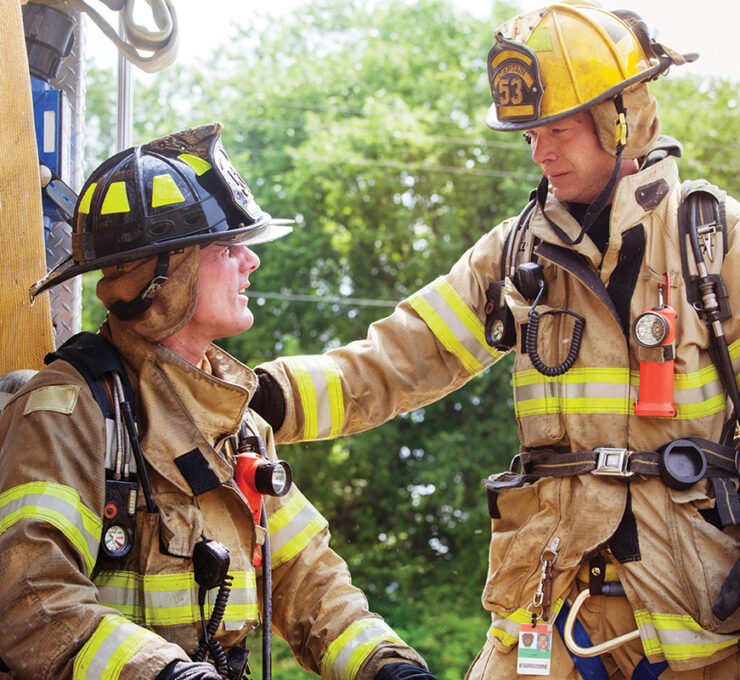
Leadership in the fire service is a critical, high-stakes responsibility that demands far more than rank or time in grade. It requires a deliberate blend of technical competence, ethical commitment, and—most importantly—the ability to inspire and guide firefighters under pressure. True leadership is built on three foundational pillars: cultivating a positive attitude, prioritizing life safety in every operation, and intentionally building trust both on and off the fireground.
Attitude: Setting the tone
A leader’s attitude establishes the tone for the entire station. In a profession defined by danger, stress, and emotional strain, a positive and resilient attitude is not a luxury—it is an operational necessity.
How a leader approaches challenges sets the tone for the crew. An officer who meets difficult calls or demanding training sessions with focus and enthusiasm sends a clear message: success is possible, even under adverse conditions. Positivity creates an environment where firefighters feel comfortable offering ideas, identifying gaps, and taking calculated risks in training.
That said, positivity does not mean ignoring reality. Leaders must acknowledge problems when they arise. Failing to do so can make us appear disconnected or disingenuous. The key is to recognize the issue, then quickly shift to a solution-oriented mindset. In his book Extreme Ownership: How U.S. Navy SEALs Lead and Win, Retired Navy SEAL Jocko Willink encourages leaders to view setbacks through a reframing lens — responding to problems with “good” because adversity presents a chance to learn and improve.
Read more: Leadership Beyond a BadgeI was reminded of this perspective by my wife’s aunt, Pat, who passed away from cancer. Even during her hardest times, Pat maintained a “positive attitude that uplifted everyone around her. While it may not always be easy to stay positive, sharing a smile, especially in difficult times, is a precious gift to those on the same journey. Her legacy reinforces an important lesson for leaders: positivity is not passive optimism; it is an active choice of strength that benefits the entire team—a choice we should always strive to make.

Life Safety: The Core of Every Decision
The fire service exists to save lives, and that mission must guide every decision we make. Life safety—both for the public and for firefighters—must remain the top priority in all operations.
The most effective way to protect lives is through training. Leaders must prioritize realistic, high-risk training that prepares crews to operate decisively and safely. Firefighters should understand their roles, responsibilities, and required tools before the incident ever occurs.”
“Standard Operating Guidelines (SOGs) are essential in this process. For example, our SOGs for vehicle fires clearly outline responding companies and initial tactics. As an officer, I work with my crew to focus on specific, well-defined tasks that support our life safety objectives.
For example, on vehicle fires, I prefer my backstep firefighter to come off the Engine, chock the fire vehicle’s wheels, and simultaneously check for victims. At the same time, the officer or the firefighter in the C seat deploys the hose line. When explaining these assignments to new firefighters, I emphasize the why behind them. Chocking the wheels protects firefighter safety; checking for victims protects the public. When firefighters understand the reasoning behind assignments, they begin making decisions guided by the same priorities—even when supervision is limited.
Consistent and meaningful discussions centered around these essential tasks will not only strengthen the understanding of life safety but will also instill its importance in every aspect of their careers. By making life safety a core topic of conversation, we can foster an environment where it becomes ingrained in our collective mindset and practice.
Trust: The Non-Negotiable Foundation
Trust is the foundation of every high-performing fire service team. In an environment where your life may depend on the person next to you, trust must be absolute.
When stepping into a new role or assignment, trust often takes time to build. One of the best pieces of advice I’ve received is this: kill them with competence, not loud confidence. Firefighters need to know that their leader’s decisions are grounded in skill, preparation, and experience—not ego. Leaders who consistently and quietly execute their responsibilities well earn credibility. When firefighters trust a leader’s competence, they follow directives without hesitation because they know those decisions are reliable under pressure.”
“Skills can and will diminish over time if we do not actively maintain them. This can be mitigated by participating in training and attending classes to remain current with the latest tactics and advancements.
Trust does not stop on the fireground. It must extend into daily interactions at the station and beyond. Are you the person your crew feels comfortable calling for advice or support?
To lead effectively, organizational discipline is just as important as tactical knowledge. One technique I rely on is taking brief, focused notes on my crew members. These notes go beyond certifications and skill sets; they include preferences, recent challenges, and personal or professional goals. This practice helps me to remember essential information and allows me to demonstrate genuine attention to the individual. Over time, I’ve found that the more I write things down, the more naturally I remember them. When it has been some time since you have seen someone, a quick hello becomes more memorable when you ask about their loved ones, even more so when you remember their names.
In addition, I immediately enter important follow-ups into my calendar with reminders. These may include checking in after a difficult call, following up on training goals, or acknowledging significant life events. Automating these reminders ensures that the follow-up happens at the right time—when it matters most. Consistent, thoughtful follow-through builds trust and shows firefighters that their well-being is always a priority.
Leadership Is Action
In the fire service, leadership is not defined by a title—it is demonstrated through daily action. By fostering a positive attitude, maintaining an unshakable commitment to life safety, and intentionally building trust, fire service leaders strengthen their crews, uphold the mission, and ensure that everyone has the best possible chance of going home safely at the end of the shift and ultimately at the end of a long, successful career.
I would like to take a moment to emphasize the most important point. While taking notes, discussing strategies based on priorities, and setting”
“reminders are valuable practices, it is essential to recognize that choosing to maintain a positive attitude is a daily decision we all must make. This choice not only benefits us but is also a gift to everyone around us.”
 FFAM
FFAM